Today, February 17, 2026, at 2:14:50 PM, exploring anatomy and physiology through coloring workbooks, specifically in PDF format, offers a dynamic learning experience.
These resources blend visual learning with active recall, enhancing comprehension of complex biological structures and functions. They are increasingly popular study aids.
What are Anatomy and Physiology Coloring Workbooks?
Anatomy and physiology coloring workbooks, often available as convenient PDF downloads, are educational tools designed to aid in understanding the intricacies of the human body. They present detailed illustrations of anatomical structures – bones, muscles, nerves, organs – as line drawings, as of February 17, 2026, at 2:14:50 PM.
Instead of simply memorizing labels, students actively engage with the material by coloring each structure. This process reinforces learning through kinesthetic and visual pathways. The PDF format allows for easy access, printing, and digital annotation. These workbooks aren’t merely about artistic expression; they are powerful study companions.
They transform passive reading into an active learning experience, promoting deeper understanding and retention of complex concepts. Coloring helps to identify and differentiate between various anatomical parts, solidifying knowledge of their location, shape, and relationships to one another.
Benefits of Using Coloring Workbooks for Learning
Utilizing anatomy and physiology coloring workbooks, particularly in accessible PDF format, offers numerous cognitive advantages. As noted on February 17, 2026, at 2:14:50 PM, the act of coloring enhances memory retention by engaging multiple brain areas simultaneously. This multi-sensory approach strengthens neural connections, making it easier to recall anatomical details.

Coloring workbooks promote active learning, shifting students from passive recipients of information to active participants in the learning process. They improve focus and concentration, reducing mental fatigue during study sessions. The visual nature of these workbooks caters to different learning styles, benefiting both visual and kinesthetic learners.
Furthermore, they provide a low-stakes environment for self-assessment, allowing students to identify areas where they need further study. The PDF format enables convenient, on-the-go learning and repeated practice.
Target Audience: Students, Professionals, and Enthusiasts
Anatomy and physiology coloring workbooks in PDF format appeal to a remarkably broad audience. Recorded on February 17, 2026, at 2:14:50 PM, these resources are invaluable for students in introductory anatomy and physiology courses, nursing programs, and allied health disciplines. They provide a supplementary learning tool to reinforce textbook material and prepare for exams.
Professionals, such as medical assistants, physical therapists, and even physicians, can utilize these workbooks for quick review and refresher courses on anatomical structures. The detailed illustrations aid in visualizing complex systems.
Beyond formal education and professional practice, anatomy coloring books attract hobbyists and enthusiasts with a keen interest in the human body. They offer a relaxing and engaging way to learn about the intricacies of human biology, fostering a deeper appreciation for the wonders of life.

Key Features to Look for in a PDF Coloring Workbook
As of February 17, 2026, at 2:14:50 PM, prioritize workbooks with high-resolution images, accurate labeling, and comprehensive system coverage for optimal learning.
Detailed and Accurate Anatomical Illustrations
On February 17, 2026, at 2:14:50 PM, the cornerstone of any effective anatomy and physiology coloring workbook lies in the quality of its illustrations. These aren’t simply drawings; they are meticulously rendered depictions of the human body’s intricate structures.
Look for workbooks that showcase a high level of detail, allowing you to discern subtle differences between muscles, bones, nerves, and organs. Accuracy is paramount – illustrations should faithfully represent anatomical relationships and proportions. Avoid workbooks with simplified or cartoonish images, as these can lead to misconceptions.
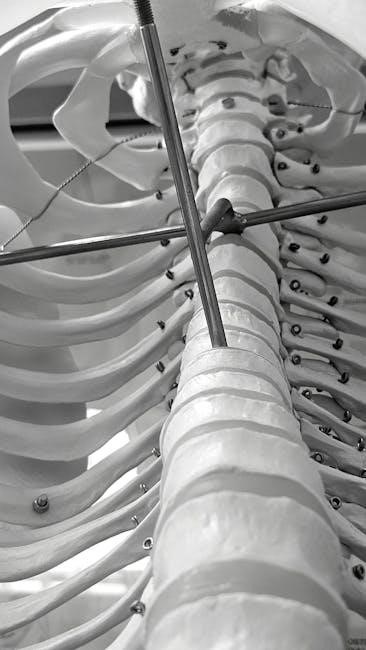
The best PDFs will feature illustrations derived from established anatomical references, ensuring reliability. Consider the style of illustration; some prefer realistic depictions, while others favor a more schematic approach. Ultimately, the illustrations should be clear, informative, and conducive to focused coloring and learning. Detailed visuals enhance understanding and retention.
Clear and Concise Labeling
As of February 17, 2026, at 2:14:50 PM, alongside detailed illustrations, clear and concise labeling is crucial in an anatomy and physiology coloring workbook PDF. Labels should directly correspond to the illustrated structures, using precise anatomical terminology. Avoid ambiguous or overly technical language that might confuse learners.
Effective labeling isn’t simply about naming parts; it’s about providing enough information to understand their function and relationship to surrounding structures. Look for workbooks that utilize a clean, legible font and strategically placed labels that don’t obscure the illustrations.
Ideally, labels should be organized logically, perhaps using leader lines or a numbered key. A well-labeled diagram transforms a coloring exercise into an active learning experience, reinforcing anatomical vocabulary and spatial understanding. Concise labeling promotes efficient study and minimizes frustration.

Comprehensive Coverage of Body Systems
Recorded on February 17, 2026, at 2:14:50 PM, a superior anatomy and physiology coloring workbook PDF shouldn’t focus on isolated parts, but offer comprehensive coverage of all major body systems. This includes the skeletal, muscular, nervous, cardiovascular, respiratory, digestive, urinary, reproductive, endocrine, and lymphatic systems.
The best workbooks dedicate sufficient pages to each system, allowing for detailed exploration of its components and their interrelationships. Look for workbooks that don’t just present static images, but also illustrate functional aspects – like muscle actions or nerve pathways.
A truly comprehensive resource will also integrate physiological concepts, explaining how structures work, not just where they are located. This holistic approach is vital for building a strong foundation in anatomy and physiology, and maximizing the learning potential of the coloring format.

Popular Anatomy and Physiology Coloring Workbook Options (PDF Format)
As of February 17, 2026, at 2:14:50 PM, several highly-regarded anatomy and physiology coloring workbooks are available in convenient PDF format for accessible learning.
The Anatomy Coloring Book by Wynn Kapit and Lawrence M. Elson
On February 17, 2026, at 2:14:50 PM, “The Anatomy Coloring Book” by Wynn Kapit and Lawrence M. Elson stands as a cornerstone resource for students beginning their journey into anatomical study. This workbook distinguishes itself through its exceptionally detailed illustrations, designed to promote a deeper understanding of the human body’s intricate structures.
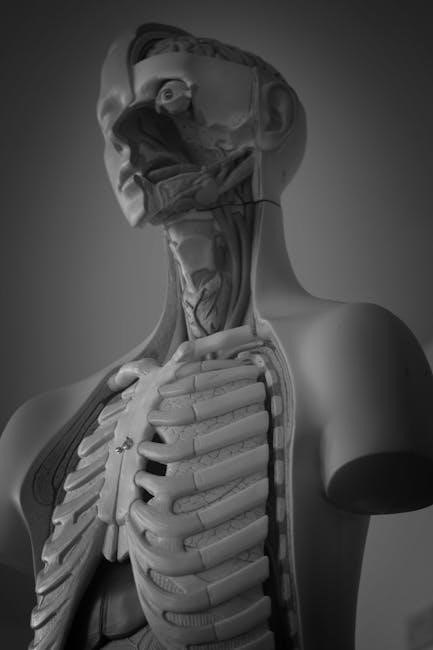
The PDF version offers portability and ease of access, allowing students to study anytime, anywhere. It’s particularly praised for its focus on accurate representation and its ability to reinforce learning through active engagement. Kapit and Elson’s approach emphasizes not just memorization, but a conceptual grasp of how anatomical elements relate to physiological functions.
Many users appreciate the book’s clear organization, progressing logically through body systems. The coloring process itself aids in retention, transforming a passive reading experience into an active learning exercise. It’s a valuable tool for visual learners and those seeking a comprehensive, yet approachable, introduction to human anatomy.
Anatomy & Physiology Coloring Workbook by Elaine N. Marieb
As of February 17, 2026, at 2:14:50 PM, Elaine N. Marieb’s “Anatomy & Physiology Coloring Workbook” is widely recognized as a premier companion to her popular textbooks. The PDF format provides convenient access for students needing a flexible study aid. This workbook excels in its comprehensive coverage, aligning directly with Marieb’s established curriculum and offering a robust review of key concepts.
Its strength lies in its ability to reinforce learning by requiring students to actively label and color anatomical structures. This process solidifies understanding of both anatomy and the related physiological processes. The workbook isn’t merely a coloring exercise; it’s a tool for active recall and deeper comprehension.
Users consistently praise the workbook’s clear, concise labeling and its effective use of visual aids. It’s an ideal resource for students in introductory A&P courses, providing a hands-on approach to mastering complex material and improving exam performance.
Netter’s Anatomy Coloring Book by Cynthia Adams

Recorded on February 17, 2026, at 2:14:50 PM, Cynthia Adams’ “Netter’s Anatomy Coloring Book” distinguishes itself through its integration with the renowned Netter anatomical illustrations. The PDF version offers portability and ease of use for digital learners. This workbook leverages the clarity and detail of Netter’s artwork, providing a visually stunning and educationally effective coloring experience.
Unlike some workbooks, Netter’s focuses primarily on anatomical structures, making it an excellent choice for students who need a strong foundation in anatomy before delving into physiology. The coloring process reinforces the recognition of intricate anatomical details and spatial relationships.
Many users appreciate the workbook’s emphasis on accuracy and its ability to enhance visual memory. It’s particularly beneficial for medical and allied health students who require a detailed understanding of human anatomy, and is a valuable supplement to traditional learning methods.

Utilizing Coloring Workbooks for Specific Body Systems
As of February 17, 2026, at 2:14:50 PM, PDF anatomy workbooks excel at focused system study, allowing detailed exploration of skeletal, muscular, and nervous structures.
Skeletal System Coloring and Identification
On February 17, 2026, at 2:14:50 PM, utilizing a PDF anatomy coloring workbook for the skeletal system provides a uniquely effective learning method. Students can meticulously color individual bones – from the cranium to the phalanges – reinforcing their understanding of anatomical locations and shapes.
The act of coloring aids in memorization, distinguishing between long bones, short bones, flat bones, and irregular bones. Workbooks typically include diagrams requiring identification of specific features like foramina, processes, and markings. This hands-on approach surpasses simply reading textbook descriptions.
Furthermore, coloring can highlight bone classifications and their functions. Understanding the skeletal system’s organization – axial versus appendicular – becomes more intuitive. PDF formats allow for digital annotation and repeated practice, solidifying knowledge of bone names, structures, and their interrelationships. This detailed study is crucial for grasping biomechanics and potential pathologies.
Muscular System Coloring and Function
As of February 17, 2026, at 2:14:50 PM, anatomy and physiology coloring workbooks, particularly in PDF format, offer a powerful tool for mastering the muscular system. Coloring muscle groups – biceps brachii, quadriceps femoris, and more – visually reinforces their location and shape within the body.
These workbooks often require students to differentiate between types of muscle tissue: skeletal, smooth, and cardiac. Coloring helps distinguish fiber arrangements and understand how they relate to muscle function. Identifying origins, insertions, and actions becomes more intuitive through active engagement.
PDF versions allow for digital labeling and repeated practice, solidifying knowledge of muscle names and their roles in movement. Coloring can also illustrate antagonistic muscle pairs and synergistic groups. This detailed approach enhances comprehension of biomechanics and the nervous system’s control over muscular contractions, leading to a deeper understanding of human movement.
Nervous System Coloring and Neural Pathways
Recorded on February 17, 2026, at 2:14:50 PM, anatomy and physiology coloring workbooks in PDF format excel at demystifying the complex nervous system. Coloring the brain – identifying lobes, gyri, and sulci – provides a spatial understanding of its structure. Distinguishing between gray and white matter becomes visually clear through color-coding.
These workbooks guide students through neural pathways, like those involved in reflexes or sensory perception. Tracing the routes of signals from receptors to the brain, and back, is greatly aided by visual reinforcement. Coloring different types of neurons – sensory, motor, and interneurons – clarifies their roles.
PDF accessibility allows for zooming and detailed labeling. Understanding the organization of the spinal cord, cranial nerves, and peripheral nervous system is enhanced through active coloring; This method fosters a deeper grasp of how the nervous system controls bodily functions and enables communication.

Tips for Effective Learning with Coloring Workbooks
As of February 17, 2026, at 2:14:50 PM, maximize learning with PDF coloring workbooks by integrating them with study, using color purposefully, and practicing consistently.
Combining Coloring with Textbook Study
On February 17, 2026, at 2:14:50 PM, utilizing anatomy and physiology coloring workbooks in PDF format alongside traditional textbook study creates a powerful synergistic learning approach. Coloring isn’t merely an artistic activity; it’s an active recall exercise that reinforces concepts presented in your textbook.
Begin by reading the relevant chapter in your textbook, focusing on the anatomical structures and physiological processes. Then, turn to the corresponding section in your coloring workbook. As you color, actively relate the structures you’re shading to the descriptions and explanations you read. This process solidifies your understanding and helps you visualize the complex relationships within the body.
Don’t just color mindlessly! Label each structure before coloring, and then use the coloring process to cement the location and function in your memory. Regularly cross-reference the workbook with your textbook to ensure accuracy and deepen comprehension. This combined method transforms passive reading into active engagement, leading to improved retention and a more thorough grasp of anatomy and physiology.
Using Different Colors for Different Structures
As of February 17, 2026, at 2:14:50 PM, a key strategy when employing anatomy and physiology coloring workbooks in PDF format is the deliberate use of varied colors to distinguish different structures. Avoid a monochromatic approach; instead, establish a color-coding system that reflects functional groupings or tissue types.
For example, consistently use red for arteries, blue for veins, and yellow for nerves. Muscle groups could be shaded in varying tones of green, while bones might be represented by shades of brown or gray. This visual differentiation aids in rapid identification and recall during study.
Create a key or legend to document your color scheme, ensuring consistency throughout your coloring. This isn’t just about aesthetics; it’s about building strong neural pathways that link color with anatomical knowledge. A well-defined color system transforms the workbook into a powerful visual learning tool, enhancing comprehension and retention of complex anatomical details.
Regular Practice and Review
Recorded on February 17, 2026, at 2:14:50 PM, maximizing the benefits of anatomy and physiology coloring workbooks, particularly in PDF format, hinges on consistent practice and scheduled review sessions. Sporadic coloring won’t yield lasting results; dedicate regular time slots to work through the material.
Don’t simply color and forget. After completing a section, actively quiz yourself on the labeled structures. Utilize flashcards or online resources to reinforce your understanding. Space out your review sessions – revisit previously colored diagrams after a day, a week, and then a month to combat the forgetting curve.
Treat the coloring workbook as a dynamic study tool, not a one-time activity. Regular engagement solidifies anatomical knowledge and improves your ability to visualize and recall complex physiological processes. Consistent effort is the cornerstone of effective learning with these resources.