Overview of Knees Over Toes Program
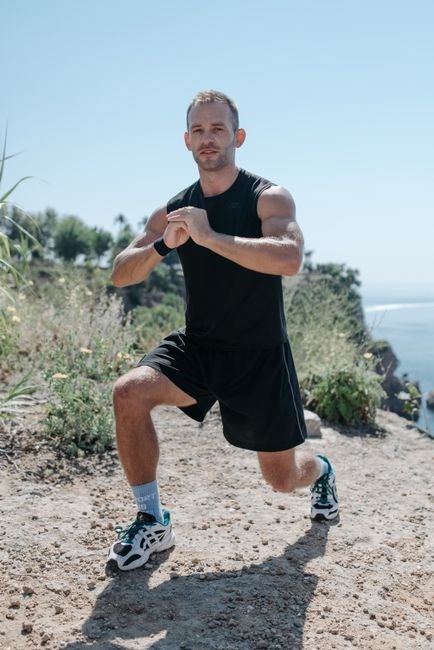
The Knees Over Toes Guy PDF outlines a progressive routine that prioritizes knee safety while building strength. It blends squats, step‑downs, and mobility drills, offering progression and injury prevention tips. for athletes & beginners
Definition and Philosophy
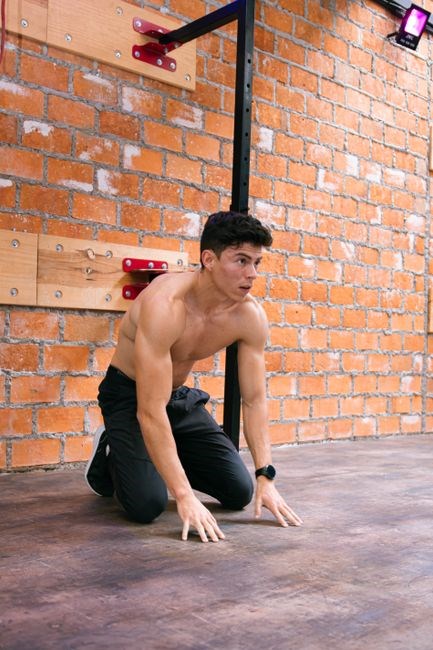
The Knees Over Toes Guy PDF presents a structured approach that redefines lower‑body training by emphasizing joint integrity and functional mobility. At its core lies the principle that knees should move naturally over toes, allowing the knee joint to experience controlled loading while protecting the surrounding ligaments and tendons. The program’s philosophy is rooted in biomechanical research and real‑world athletic performance, challenging the long‑standing belief that a “knee‑over‑toes” position is inherently risky. By incorporating progressive strength exercises—such as controlled squats, step‑downs, and lunges—alongside targeted mobility work, the PDF guides users to build resilience in the quadriceps, hamstrings, and glutes. This balanced development reduces compensatory patterns that often lead to injury. Additionally, the guide stresses the importance of proper alignment, gradual overload, and recovery protocols, ensuring that each movement reinforces natural joint mechanics rather than forcing unnatural stress. The overarching goal is to empower athletes, fitness enthusiasts, and everyday individuals to perform dynamic movements with confidence, ultimately enhancing performance while minimizing injury risk. Consistency and patience are key session and stronger!!?
Historical Development
The Knees Over Toes Guy PDF traces its origins to the late 2010s when former professional athlete Ben Patrick began challenging conventional wisdom about knee mechanics. Patrick’s personal injury history and subsequent research into joint loading led him to develop a series of exercises that allow the knee to travel beyond the toes while maintaining stability. Over the past decade, the program has evolved from informal YouTube demonstrations into a comprehensive, downloadable PDF that outlines progressive phases, evidence‑based guidelines, and injury prevention strategies. The PDF incorporates insights from sports science, physical therapy, and biomechanical studies, reflecting a growing consensus that controlled “knee‑over‑toes” movement can be safe when executed correctly. Its iterative refinement—driven by user feedback, clinical trials, and continuous data collection—has solidified the program’s reputation as a reliable resource for athletes seeking to improve performance and reduce injury risk. Today, the PDF serves as a cornerstone for training protocols worldwide, bridging the gap between theory and practice in lower‑body conditioning. Its accessible PDF format allows users to track progress and adjust loads.!!
Key Principles and Benefits
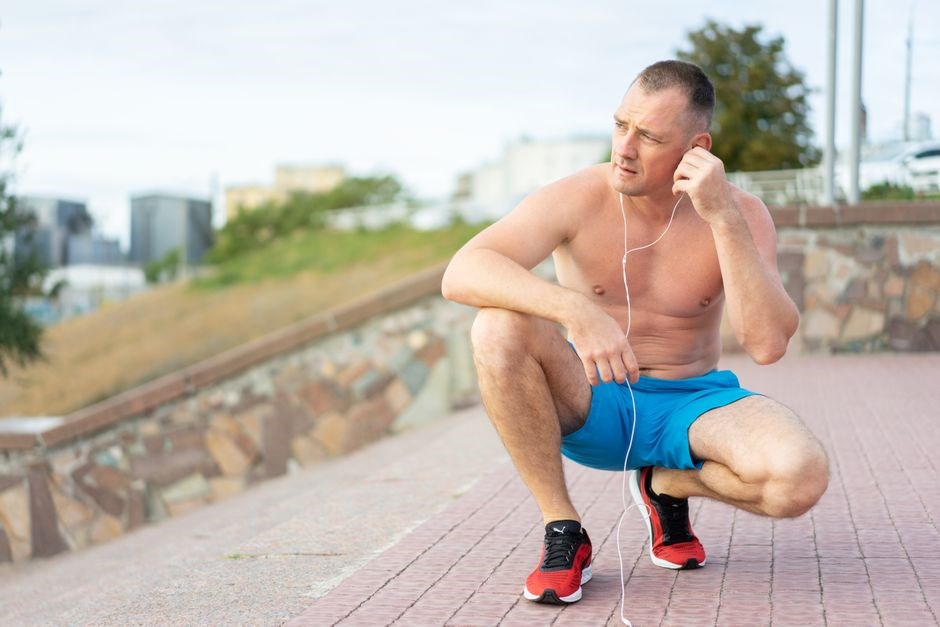
The Knees Over Toes PDF centers on joint‑centric loading, progressive overload, and mobility drills. Benefits include stronger quads, improved knee stability, and reduced injury risk while enhancing athletic performance Boosts knee health
Joint Health and Mobility
The Knees Over Toes PDF program emphasizes joint‑centric loading, encouraging movements that allow the knee to travel naturally over the toes. By incorporating controlled squats, step‑downs, and mobility drills, the routine improves tibial rotation, patellar tracking, and ankle dorsiflexion. The progressive overload model starts with low‑impact, high‑repetition sets that build endurance before adding resistance. This gradual increase helps the joint capsule, ligaments, and surrounding musculature adapt without overstressing the patellofemoral joint. Mobility work includes dynamic hip flexor stretches, ankle dorsiflexion drills, and glute activation sequences, all designed to reduce compensatory patterns that often lead to knee pain. Users report enhanced range of motion, decreased stiffness, and a stronger sense of joint stability. The program also teaches proper alignment cues—such as maintaining a neutral knee line and avoiding excessive valgus—to protect the medial structures. By consistently applying these principles, athletes can experience improved performance, lower injury risk, and sustained joint health over time. This evidence‑based approach supports long‑term joint resilience athletic longevity!!
Performance Enhancement
The Knees Over Toes PDF focuses on building explosive power while preserving joint integrity. By training with controlled depth squats, step‑downs, and single‑leg drills, users develop stronger quadriceps, hamstrings, and gluteal chains; The progressive overload scheme increases load in 5‑10% increments, allowing neuromuscular adaptation without compromising knee safety. Athletes report faster sprint times, higher vertical jumps, and improved agility after consistent application. The program also integrates plyometric variations—box jumps, bounding, and lateral hops—within a safe range of motion, enhancing fast‑twitch fiber recruitment. Additionally, the routine emphasizes core stability and hip control, which translate to better force transfer during cutting and deceleration. By combining strength, mobility, and plyometrics, the PDF creates a comprehensive performance platform that reduces injury risk while maximizing athletic output.
- Improved neuromuscular coordination reduces the risk of ACL strain during high‑intensity movements, ensuring safer execution of complex drills.
- Consistent progression builds muscular endurance, allowing athletes to sustain power output during prolonged training sessions without compromising joint health.
Results are measurable. !
Core Exercises in the PDF Program
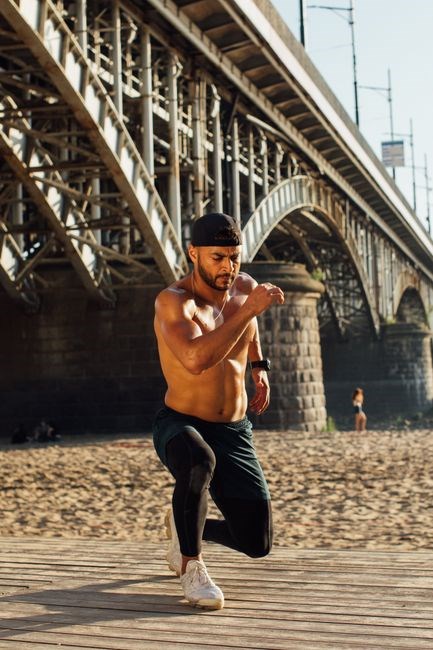
The PDF centers on controlled squats, step‑downs, lunges, and single‑leg drills. Each movement targets knee stability, quad strength, hip mobility, ensuring safe progression and joint resilience.
Squat Variations
The Knees Over Toes PDF program introduces a structured sequence of squat variations that prioritize knee health and functional strength. The routine begins with foundational moves such as wall sits and goblet squats, which establish proper depth and alignment. Progression then leads to single‑leg box squats, where depth is carefully controlled and the knee tracks over the toes, reinforcing joint integrity. Next, the program incorporates depth‑controlled back squats, adding load while maintaining strict form. Finally, advanced users tackle pistol squat attempts, a demanding single‑leg movement that requires significant balance, mobility, and strength. Each variation is paired with cue sheets, video demonstrations, and recommended sets and reps to guide safe progression and prevent injury. The PDF also includes a progression chart that maps each squat variation to specific training phases, allowing users to track readiness and avoid premature overload. By integrating biomechanical cues, the program ensures each squat variation builds strength and promotes long‑term joint resilience. The guide highlights ankle dorsiflexion and hip rotation cues to support proper knee tracking!
Step-Down and Lunge Drills
The Knees Over Toes PDF focuses on step‑down and lunge drills that protect the knee while building strength. It starts with a basic step‑down onto a low box, emphasizing a 90‑degree knee angle and neutral foot placement. Progression adds a single‑leg step‑down, keeping the knee over the toes and the hip stable. The program then introduces reverse lunges, stressing deep hip flexion and controlled descent to limit tibial translation. Advanced users perform walking lunges with a weighted vest, adding load while maintaining knee tracking cues. Each drill comes with a cue sheet that highlights ankle dorsiflexion, hip external rotation, and a slight knee tuck to reduce joint stress. A progression chart maps each drill to training phases, ensuring volume increases only when form is solid. The guide recommends pausing at the bottom of step‑downs for eccentric control and a 30‑second hold in lunges to boost proprioception. A resistance band around the knees during lunges encourages proper tracking and limits valgus collapse. A cool‑down with hip flexor stretches and calf mobility supports flexibility. Video demonstrations help verify form. Mastering these drills lowers injury risk, boosts power, and builds confidence in dynamic movements. These exercises also enhance balance and proprioceptive feedback for athletes now.

Training Progression and Phases
The PDF outlines a 4‑phase plan: Beginner, Intermediate, Advanced, Master. Each phase adds load, volume, and complexity, focusing on joint health. Progression relies on form, strength, and mobility .
Beginner Phase
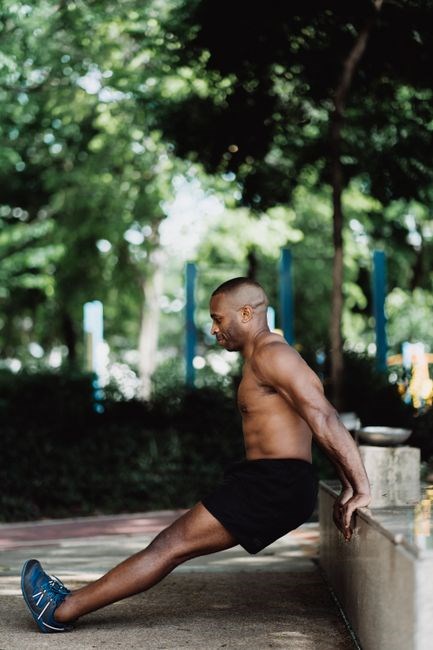
The initial stage of the Knees Over Toes Guy PDF focuses on est patterns and joint resilience. Participants start body‑weight exercises wall sits, step‑downs such as to reinforce knee tracking and hip activation. The program emphasizes controlled breathing, maintaining a neutral spine, and ensuring the knees do not collapse inward. Each session includes a dynamic warm‑up featuring ankle circles, hip flexor stretches, and light mobility drills to prepare the lower extremities for load. Progression is measured by the ability to hold the correct form for 30 seconds, then gradually increasing hold time and adding light resistance bands. The beginner phase also introduces basic strength metrics, such as the number of repetitions completed in a set, to track improvement. Consistency is key; users are encouraged to perform the routine 3–4 times per week, allowing adequate recovery between sessions. Proper nutrition, hydration, and sleep are highlighted as essential components for joint health and overall performance. By the end of this phase, athletes should feel confident in their knee mechanics and ready to transition to more demanding variations in the program.
Advanced Phase
In the advanced stage of the Knees Over Toes Guy PDF, athletes transition from foundational drills to loaded, dynamic movements that push joint tolerance and power output. The routine introduces single‑leg variations, such as pistol squats and Bulgarian split squats, each performed with a controlled descent to maintain knee tracking and hip stability. Resistance is increased through weighted vests, dumbbells, or kettlebells, allowing progressive overload while preserving the program’s core principle of safe knee mechanics. Plyometric elements—box jumps, depth jumps, and lateral bounds—are incorporated to develop explosive strength and proprioception. Each exercise is prescribed with strict tempo guidelines: a 3‑second eccentric phase, a 1‑second pause, and a 2‑second concentric lift, ensuring the knee experiences a full range of motion under controlled load. Advanced mobility work includes hip‑flexor releases, ankle dorsiflexion drills, and dynamic lunge sequences to prevent stiffness and maintain optimal alignment. The program also emphasizes periodization: 4‑week blocks of volume, followed by a deload week to allow tissue recovery. Athletes track repetition max, tension time, effort ratings to fine‑tune daily in progression. By the end of this phase, participants should exhibit increased joint resilience, higher power output, and the confidence to integrate these movements into sport‑specific training or daily functional tasks.
Common Mistakes and How to Avoid Them
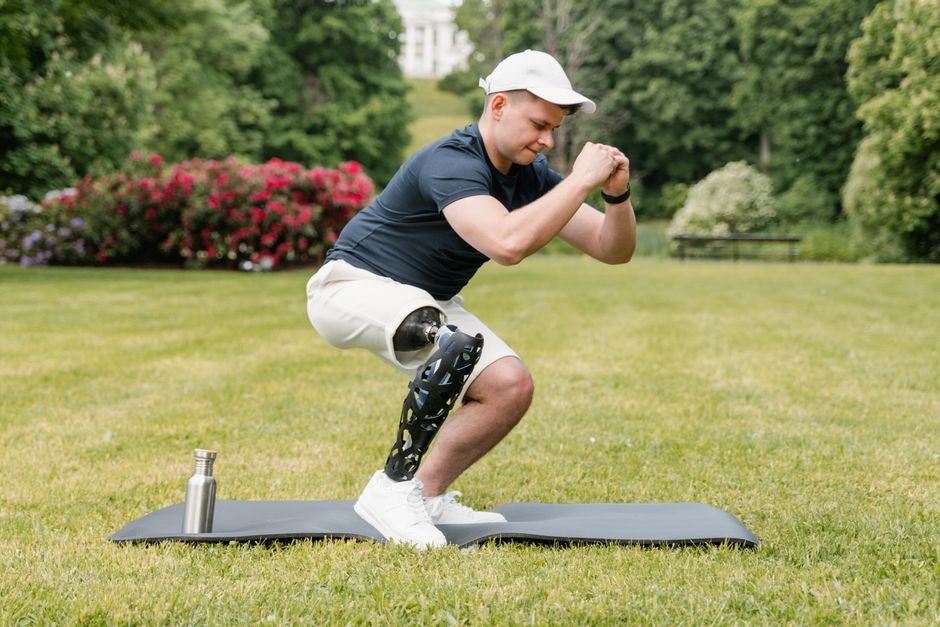
Many users over‑extend knees, ignore hip drive, or rush reps, causing strain. Focus on slow, controlled descent, keep knees tracking over toes, engage glutes, and use progressive loading. Proper form reduces injury risk. Keep breathing.!
Knee Alignment Errors
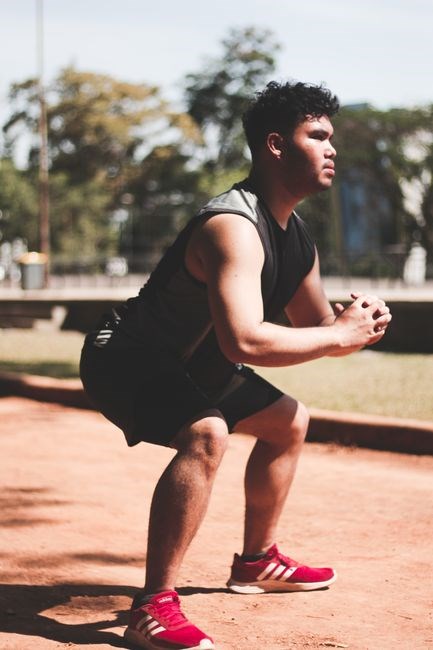
In the Knees Over Toes Guy PDF, the most frequent misalignment issues arise when the knee collapses inward (valgus) or leans outward (varus) during loading. Allowing the knee to travel too far beyond the toes, which places excessive shear on the joint capsule. These errors often stem from weak hip abductors, insufficient ankle dorsiflexion, or a lack of core stability. The program stresses the importance of visual cues: keep the knee in line with the second metatarsal, use a “knee‑to‑toe” marker, and activate the gluteus medius before initiating the descent. It also recommends a progressive approach: start with a half‑squat, then move to a full squat only after the alignment has been mastered. By incorporating targeted hip strengthening, ankle mobility drills, and proprioceptive training, users can correct these alignment problems, reduce pain, and improve overall performance. Consistent monitoring and feedback from a qualified coach or video analysis are essential for long‑term success and it.
Over-Exertion Risks
Excessive load or rapid progression in the Knees Over Toes Guy PDF can trigger joint irritation, tendon inflammation, or muscle fatigue. The program’s emphasis on controlled movement and gradual load increases helps mitigate these dangers, yet athletes may still over‑train by ignoring pain signals or skipping rest days. Common red flags include persistent swelling, sharp pain during or after a session, or a sudden decrease in range of motion. The PDF advises using a “pain‑free” threshold: stop if discomfort exceeds a 3‑on‑a‑scale rating, and incorporate active recovery such as foam rolling, light walking, or dynamic stretching. Additionally, the guide recommends monitoring heart rate and perceived exertion; exceeding 70% of maximum heart rate for more than 30 minutes without proper conditioning can overload the knee’s supporting structures. By adhering to prescribed rest intervals, listening to proprioceptive cues, and progressively adding volume, users can avoid over‑exertion while still achieving strength gains. Adjust volume based on recovery to avoid overloading. Monitor joint feedback closely for safe progression today
Accessing and Using the PDF Program
Download the Knees Over Toes Guy PDF from the official site or portals. Open with Adobe Reader or app. Use bookmarks to navigate sections, annotate key exercises for quick reference during workouts.!
Download Sources
The official Knees Over Toes Guy PDF can be obtained directly from the creator’s website, ensuring you receive the most recent version. A reliable alternative is the official download portal, which hosts the file in both PDF and e‑book formats. For users preferring peer‑to‑peer sharing, reputable fitness forums such as Bodybuilding.com and Reddit’s r/fitness often host the PDF in a secure, community‑verified link. Additionally, the program is occasionally featured on Muscle & Strength and Strength Log sites, where you can download the guide after creating a free account. If you encounter a broken link, try the Internet Archive for an archived copy. Always verify the file’s integrity by checking the SHA‑256 hash on the download page. This protects against corrupted or tampered files, ensuring safe training for all users coaches!!! to stay injury‑free always for optimal results. now
Navigation Tips
When exploring the Knees Over Toes Guy PDF, begin by opening the file with a reliable reader such as Adobe Acrobat or Foxit. The first page contains a table of contents; use the bookmark pane to jump directly to sections like “Squat Variations” or “Step‑Down Drills.” If the PDF is large, enable “Outline” view to collapse chapters and focus on the phase you’re currently training. For quick reference, the program’s layout follows a linear progression: Beginner, Intermediate, Advanced. Each phase starts with a warm‑up, followed by core exercises, and ends with mobility work. Use the “Search” function (Ctrl+F) to locate specific terms like “knee alignment” or “over‑exertion.” The PDF also includes printable worksheets; right‑click the page and select “Print” to save them as a separate PDF for offline use. Finally, bookmark your current position by clicking the star icon; this allows you to resume training without scrolling through the entire document again. Remember to keep the PDF updated by checking the author’s website for new releases. Track reps, sets, and pain levels with the built‑in tracker adjusting load only when form stays solid,and discomfort fades.