Welcome to NYC’s Halloween! Before you roam, check the city’s official Trick‑or‑Treat map, wear reflective gear, and stay in family‑friendly neighborhoods. Keep your bag close, ask for sealed treats, and follow local safety signs. Enjoy the festive spirit safely. Keep a reusable bottle and a small snack now.!!!
Historical Context of Halloween in NYC
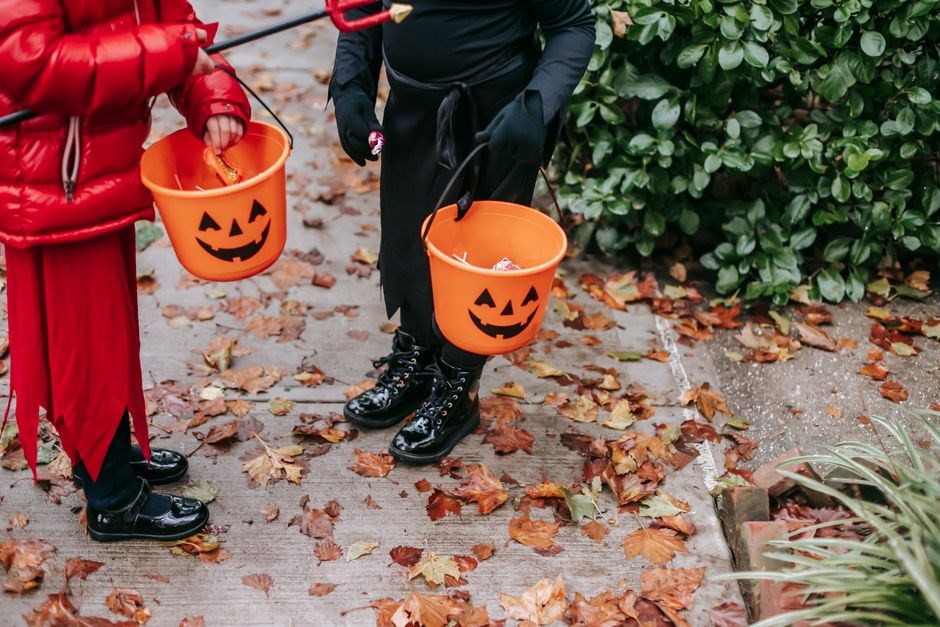
Halloween’s roots in New York trace back to the early 1600s when Dutch settlers in New Amsterdam celebrated “All Hallow’s Eve” with bonfires and costumes. By the 19th century, Irish immigrants brought “soul cakes” and trick‑or‑treat traditions to the Lower East Side, turning the city into a patchwork of street‑side festivities. The 1920s saw the first organized parades in Brooklyn and Queens, while the 1950s introduced mass‑produced candy and suburban trick‑or‑treat routes. In the 1970s, the city’s first official Halloween map was released, and by the 1990s, the Department of Parks & Recreation began coordinating neighborhood watch programs. Today, NYC blends historic customs with modern safety measures, making Halloween a citywide celebration that honors its diverse heritage while adapting to contemporary urban life.
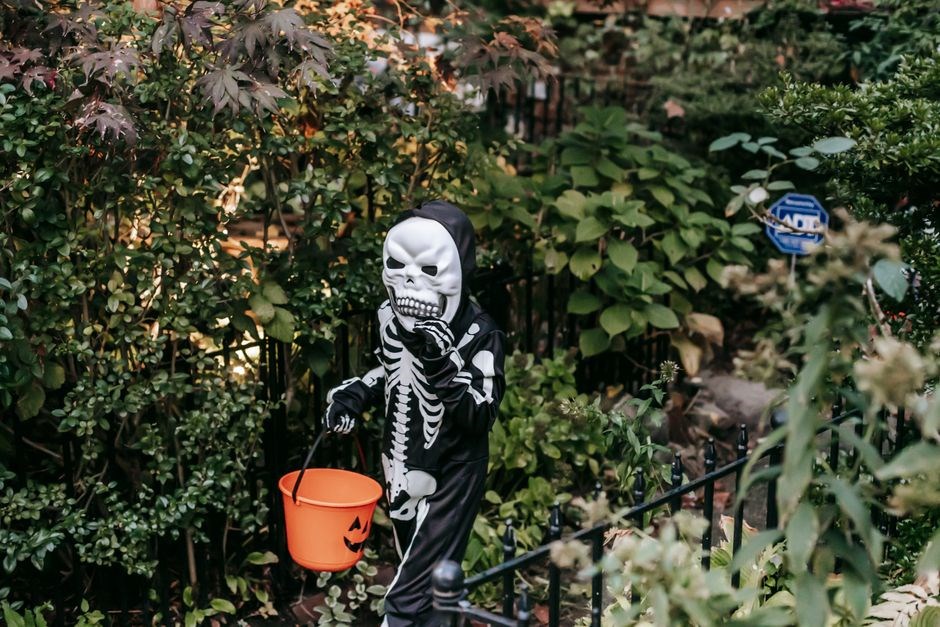
In the 2000s, the city celebrated its 400th anniversary of the first recorded All Hallows’ Eve gathering, drawing crowds to the historic neighborhoods of Greenwich Village and the Lower East Side. The 2010s saw a surge in community‑led “costume parades” that highlighted multicultural traditions, while the 2020s introduced digital “virtual trick‑or‑treat” apps to complement physical routes. Throughout these decades, the NYC Department of Health has issued guidelines on safe candy handling, and the Police Department has increased patrols during peak hours. The city’s evolving Halloween narrative reflects a blend of immigrant folklore, modern urban planning, and a commitment to for all ages.!
Safety Guidelines for Trick-or-Treaters
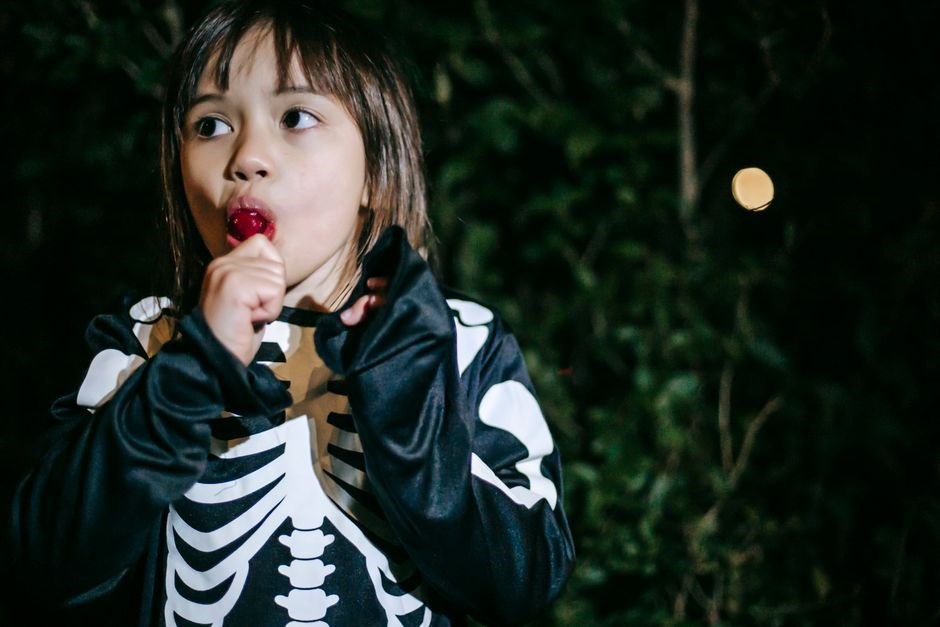
Before the night begins, parents should verify that every child wears bright, reflective clothing and carries a small flashlight or glow‑stick. Keep treat bags close to the body to prevent them from snagging on street furniture or getting lost. A reusable, seal‑tight bag is ideal for collecting candy; it keeps treats safe from contamination and allows you to store them in a cool, dry place afterward. Children should stay within sight of an adult, avoid crossing streets without a crosswalk, and use pedestrian signals. When entering a house, say “Trick or treat” loudly, then wait for a response before approaching the door. If a house is dark or unresponsive, move on. Never accept food from strangers or unfamiliar vendors. Always check that candy is sealed and stored at a safe temperature. Parents should keep a first‑aid kit, including band‑ages, antiseptic wipes, and a phone charger, in the car. During the evening, it is wise to stay in a group or with a buddy, especially in unfamiliar neighborhoods. Keep a small snack and water bottle handy for energy and hydration. After the night, wash hands and face, and store leftover treats properly.
Parents should brief children on the importance of staying using a buddy. If a child becomes separated, they should immediately seek an adult. Children should avoid entering houses that appear abandoned. After the night, parents should review the list of treats collected, ensuring no items are left unattended, and dispose of any expired or opened candy!!!!!!!!
The official NYC Trick‑or‑Treat map, available on the city’s website, marks safe routes, community events, and volunteer patrols. Begin in Manhattan’s Lower East Side, where houses host and businesses offer safety kits. Each house is marked with a green check‑mark, indicating it’s verified for safety!
From there, head east to Brooklyn’s Bushwick and Williamsburg. These neighborhoods boast vibrant street art, pop‑up candy stalls, and a lively atmosphere. The map highlights the safest streets, avoiding major cross‑roads and ensuring plenty of foot traffic. Families can enjoy the festive vibe while staying on a well‑lit path.
If quieter streets are preferred, the Upper West Side’s tree‑lined avenues provide a calm, well‑lit route. The map shows the exact block parties and volunteer “watch” teams that guide children safely through traffic. Parents can see real‑time updates on road closures or detours on the police website.
In Queens, the Astoria and Long Island City areas feature organized block parties and volunteer patrols that guide children safely through traffic. The Bronx’s Fordham Road and Yonkers’ Westchester County offer scenic, low‑traffic routes ideal for late‑night strolls. Download the official “Trick‑or‑Treat NYC” app for GPS navigation, safety alerts, and a list of verified houses.
Always keep your route planned, stay within designated walkways, and follow the city’s safety guidelines. Enjoy the Halloween spirit while ensuring every child’s safety. Carry a small flashlight, reusable water bottle, and a snack. Keep treat bags sealed and store them cool until breakfast. After the night, wash hands and share moments with neighbors. Enjoy the night safely and return home
Costume Regulations and Local Ordinances
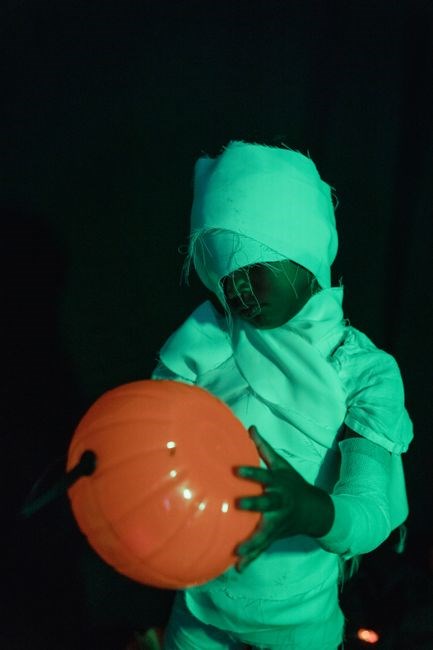
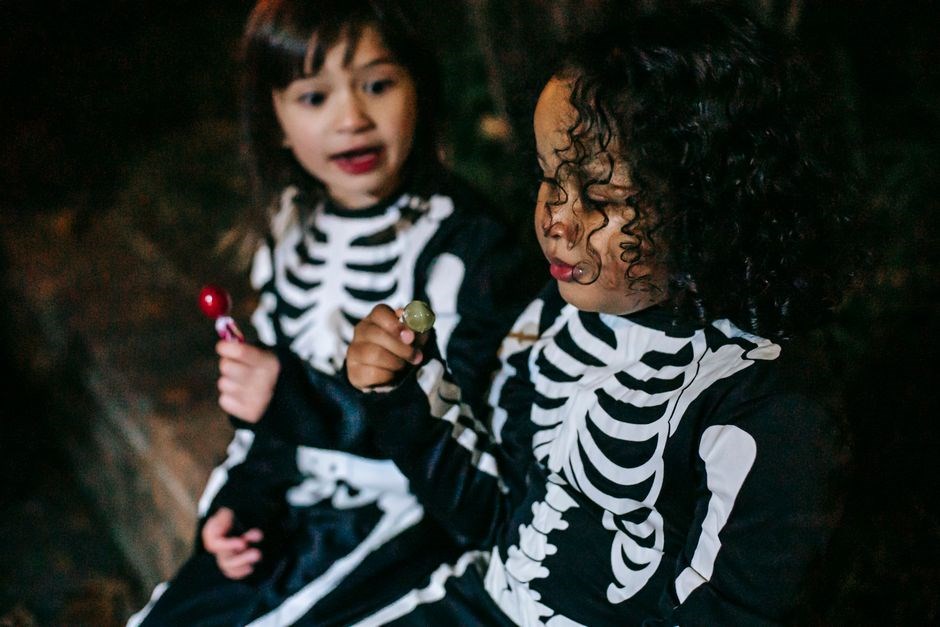
New York City’s Department of Health and Mental Hygiene publishes a concise set of rules for Halloween costumes to protect children and residents. First, costumes must not obstruct vision or create a choking hazard; any mask or hood that covers the face is prohibited unless it is clearly labeled and the wearer can see clearly. Second, costumes that could be mistaken for law enforcement, emergency personnel, or official uniforms are disallowed. Third, any costume that includes a weapon or a weapon‑like prop must be clearly marked as a prop and cannot be used in a way that could be interpreted as threatening. Fourth, costumes that are overly large or that could impede safe passage through doorways or sidewalks are discouraged; Fifth, the city encourages the use of reflective or light‑reflective materials for nighttime safety. Finally, parents are urged to check the city’s official “Trick‑or‑Treat” website for updates on any temporary restrictions or local neighborhood rules that may apply during the holiday. By following these guidelines, families can enjoy a safe, fun, and legally compliant Halloween night in New York City.
NYC health officials advise costumes to be lightweight, breathable, and not obstruct vision. Masks should not cover the mouth or nose, and reflective strips must be secure; Parents can give children a small flashlight or glow‑stick for visibility. If a costume is too large, choose a smaller version or one that can be partially removed for safe passage. This reduces accidents and keeps Halloween fun. Enjoy a safe night.and joy.!
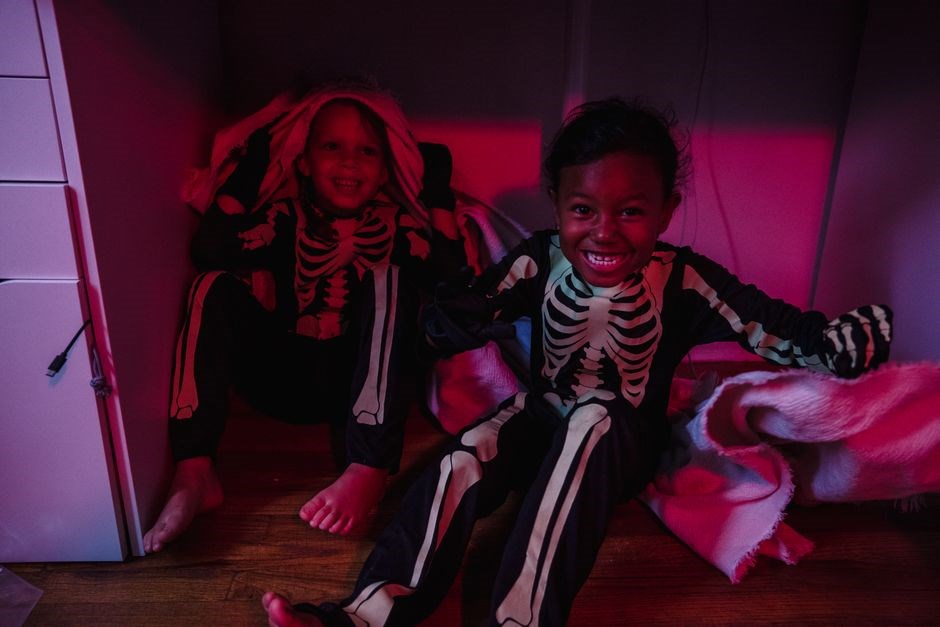
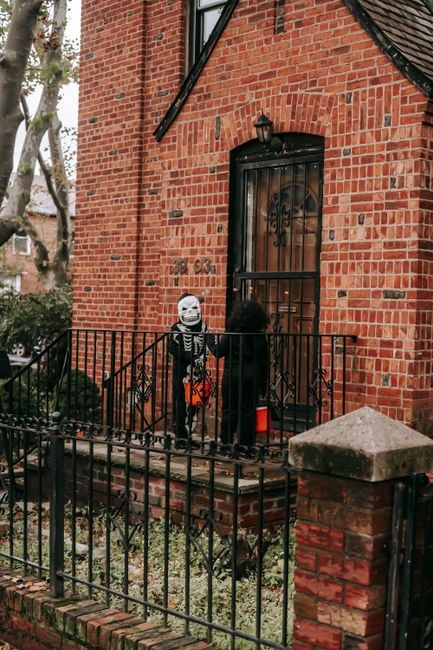
Candy and Treat Standards in NYC
New York City’s Department of Health and Mental Hygiene has established clear guidelines for candy distribution during Halloween to protect children’s health and safety. Treats must be sealed in a tamper‑evident bag or container, and any candy that is broken, melted, or otherwise compromised is disallowed. All candy should be stored at a temperature below 70°F (21°C) to preserve quality and reduce the risk of bacterial growth. Parents and volunteers are encouraged to bring a small, reusable water bottle to keep children hydrated. The city requires that all candy be free of allergens that are not clearly labeled; if a candy contains nuts, dairy, gluten, or soy, the label must list the ingredient. Additionally, candy should be distributed in a manner that allows children to see the contents before opening, preventing choking hazards. The Department also recommends that candy be given in a single, small portion to avoid overconsumption. Finally, volunteers should check the expiration dates on all treats and discard any that are past their best‑by date. By following these standards, families can enjoy a safe, healthy, and enjoyable Halloween night in New York City. The guidelines also advise that candy be presented in a way that encourages responsible consumption; for example, a small bowl of candy can be offered to a child, and the rest can be saved for later. City officials emphasize environment, volunteers use gloves. These measures help reduce the spread of germs and keep the holiday fun and safe for everyone. Parents should supervise children during walk, ensuring they follow safe routes and stay close to family!!
New York City’s Department of Health and Mental Hygiene has established clear guidelines for candy distribution during Halloween to protect children’s health and safety. Treats must be sealed in a tamper‑evident bag or container, and any candy that is broken, melted, or otherwise compromised is disallowed. All candy should be stored at a temperature below 70°F (21°C) to preserve quality and reduce the risk of bacterial growth. Parents and volunteers are encouraged to bring a small, reusable water bottle to keep children hydrated. The city requires that all candy be free of allergens that are not clearly labeled; if a candy contains nuts, dairy, gluten, or soy, the label must list the ingredient. Additionally, candy should be distributed in a manner that allows children to see the contents before opening, preventing choking hazards. The Department also recommends that candy be given in a single, small portion to avoid overconsumption. Finally, volunteers should check the expiration dates on all treats and discard any that are past their best‑by date. By following these standards, families can enjoy a safe, healthy, and enjoyable Halloween night in New York City. The guidelines also advise that candy be presented in a way that encourages responsible consumption; for example, a small bowl of candy can be offered to a child, and the rest can be saved for later. City officials emphasize environment, volunteers use gloves. These measures help reduce the spread of germs and keep the holiday fun and safe for everyone!!
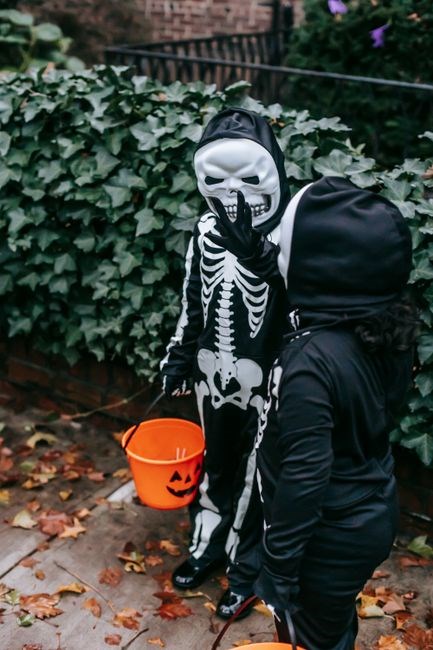
and Resources for Parents
Use NYC’s official Trick‑or‑Treat map, contact NYPD alerts, consult Health Dept for candy safety. Visit NYC.gov for schedules, NYC Parks for parade routes. Stay informed, stay safe, enjoy Halloween!
Key: NYC
- NYC.gov
- NYPD
- NYC Parks
Stay safe and have fun!
NYC!
!!!
Traffic and Pedestrian Safety Tips
Before heading out, check the official NYC Trick‑or‑Treat map and note the safest routes. Always walk on sidewalks, never cross streets at marked crosswalks unless the light is red. Keep your bag close to your body and avoid carrying large bags that can obstruct your view. Wear reflective or neon clothing and carry a flashlight or glow sticks. Use hand signals when approaching intersections. Stay alert for cars, buses, and delivery trucks. If you’re in a busy area, walk in groups and keep a safe distance from the front of the crowd. Ask for sealed treats and avoid opening them on the street. Keep a small snack and water bottle in your bag for emergencies. When crossing, look both ways, listen for traffic, and make eye contact with drivers. If you’re in a neighborhood with a volunteer watch, follow their instructions. Stay in well‑lit streets and avoid alleys or side streets that are poorly lit. If you see a vehicle that is not following traffic laws, report it to the police. Finally, remember that the city’s Halloween police patrols are on the streets, so keep your phone charged and have emergency contacts saved. Stay safe and enjoy the night!
Remember to stay hydrated; bring a reusable water bottle and sip regularly. Keep a small first‑aid kit in your bag for minor cuts. If you feel unsafe, head to a nearby shop or a police station. Use the NYC mobile app for real‑time safety alerts. Keep your phone charged and share your route with a trusted adult. Stay alert, stay safe, and enjoy the festivities responsibly. Stay connected with family. OK. Stay.
Health and Hygiene Practices for Treats
Before you accept any candy, inspect the packaging for seals, tamper‑evident features, and clear labeling. If the wrapper is torn or the seal is broken, politely decline. Keep a reusable bag or container that is clean and dry; avoid plastic bags that can trap moisture. Store treats in a cool, dry place away from direct sunlight. If you are sharing treats with friends, wash your hands with soap and water before and after handling. Use hand sanitizer with at least 60% alcohol if soap is unavailable. For those with allergies, check ingredient lists for common allergens such as nuts, dairy, or gluten. Carry a small allergy kit with antihistamines or an epinephrine auto‑injector if prescribed. When eating, chew slowly and avoid swallowing large pieces. If you notice any off‑smell or discoloration, discard the item. Keep a small first‑aid kit in your bag for cuts or bites. After the night, wash all reusable containers and utensils thoroughly. Dispose of any single‑use items in the trash. Finally, stay hydrated by drinking water and avoid sugary drinks that can cause tooth decay. By following these simple hygiene steps, you can enjoy Halloween treats safely and responsibly.
Parents should supervise children, especially in crowded areas. Use a small, insulated lunch bag to keep treats at safe temperatures. If you are traveling, bring a cooler with ice packs to prevent bacterial growth. Avoid eating treats on the street; find a safe spot to sit and enjoy. If you are in a group, designate a leader to check each treat before sharing. Encourage kids to ask for sealed treats only. For those with sensitive stomachs, choose low‑sugar options. Keep a small bottle of mouthwash for freshening up after the night. Remember to dispose of wrappers responsibly to keep streets clean. By staying mindful of hygiene, you protect your health and help maintain a clean environment for everyone.
Dress Code Requirements for Schools
Before heading to school for Halloween, parents should review each district’s policy. Most schools allow costumes that are age‑appropriate, non‑disruptive, and safe. The guidelines usually forbid masks that block vision, large props that obstruct movement, or costumes that could be considered offensive or harassing. Children must wear a school‑approved ID badge or a name tag to identify themselves. If a costume includes a mask, it must be transparent or have eye holes so teachers can see pupils. Some districts require that costumes be worn in a designated “costume zone” or during a specific time slot, as a brief assembly, to prevent hallway congestion. Parents are encouraged to keep a small bag of snacks and water for their child, and to remind them to stay in the school’s perimeter. If a student has a medical condition that could be aggravated by a costume—such as asthma or a heat‑sensitive allergy—schools may issue a written exemption. Teachers can request a brief explanation from parents if they suspect a costume might be a distraction. Finally, after the event, schools may ask students to return to their usual attire to maintain a consistent learning environment. By adhering to these rules, families help keep the school safe and respectful for all students. School officials also recommend that children carry a small,insulated water bottle to stay hydrated during the festivities. Enjoy responsibly.
Best Places to Buy Halloween Supplies in NYC
New York City offers a wide array of shops for Halloween gear, from mainstream retailers to specialty boutiques. For a one‑stop experience, visit Macy’s Herald Square or Bloomingdale’s, where seasonal aisles feature costumes, masks, and themed décor. If you prefer a more eclectic selection, explore the Village Halloween Market in Greenwich Village; vendors sell handmade masks, wigs, and unique accessories that capture the city’s creative spirit.
For budget‑friendly options, check out Target and Walmart in the boroughs; their Halloween sections include affordable costumes, face paint, and candy. Specialty costume stores such as Costume Superstore in Brooklyn or the iconic Halloween Express in Queens offer a vast inventory of themed outfits, prop kits, and makeup supplies. For eco‑friendly or reusable costumes, visit the Green Market at the Brooklyn Flea Market, where artisans craft sustainable attire and accessories.
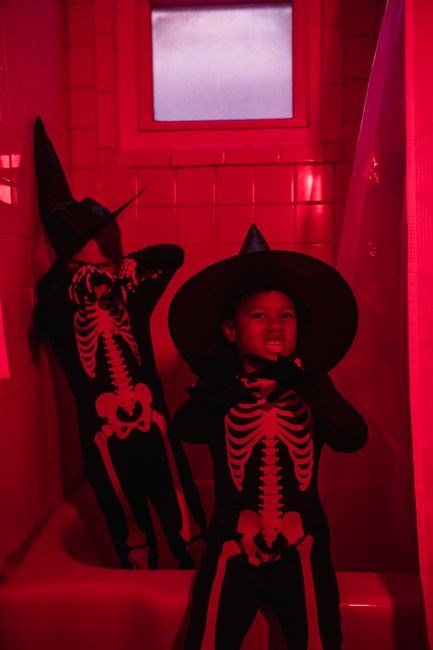
If you’re looking for high‑end or themed décor, consider buying from the Brooklyn-based company, The Halloween Company, which delivers custom decorations and themed sets. For last‑minute needs, 7‑Eleven and local convenience stores across Manhattan carry a selection of candy and small props. Finally, online platforms like Amazon and Etsy provide delivery options, but be sure to order early to avoid shipping delays.
Remember to check local store hours and bring a reusable bag for eco‑friendly candy options now.
Volunteer Opportunities for Neighborhood Watch
Neighborhood watch volunteers play a vital role in keeping trick‑or‑treaters safe during Halloween. In New York City, the Department of Police (NYPD) partners with local community boards to recruit volunteers for evening patrols. Applicants must complete a brief online training module covering safe walking routes, identifying suspicious behavior, and basic first‑aid. Once certified, volunteers receive a badge and are assigned to a borough‑specific patrol schedule. They typically join a team of 5‑10 residents who walk established trick‑or‑treat routes, keeping an eye on traffic, ensuring children stay within safe zones, and reporting any incidents to the 311 hotline. Volunteers also distribute informational flyers about reflective clothing, candy safety, and emergency contacts. Participation is free, and the city provides a stipend for transportation costs. To sign up, residents can visit the official NYC Neighborhood Watch portal, fill out a short application, and attend a local orientation session held each fall. Many neighborhoods host a “Volunteer Night” where families can meet patrol members, learn about safety protocols, and receive a welcome kit that includes a reflective vest, a flashlight, and a list of recommended safe routes. By joining, you help create a welcoming environment for kids, support local law enforcement, and strengthen community bonds. Volunteer opportunities are available throughout all five boroughs, with special focus on areas with high trick‑or‑treat traffic. For more details, contact your local community board or the NYPD Neighborhood Watch hotline at 311. Remember, your presence can make a difference in keeping Halloween fun and safe for everyone now. Your commitment strengthens community safety and responsible trick‑or‑treating.
Weather Forecast Considerations for Halloween Night
Weather updates are posted hourly on the NYC Weather website and the official city app. Parents should set reminders to check for sudden changes, especially wind gusts that can make children feel unsafe. If a storm is forecast, consider moving trick‑or‑treating to indoor community events or postponing until the next day. Keep a small first‑aid kit with bandages, antiseptic wipes, and a thermometer; in case of power loss, have a battery‑powered lantern and a list of emergency contacts.
Contact Information for Local Authorities
For safety and coordination during Halloween, reach out to the following city departments. All numbers are toll‑free and available 24/7. If you encounter a hazard, suspicious activity, or need immediate assistance, call the appropriate line. For general inquiries, use the main city hotline.
- NYC Police Department – Neighborhood Watch Hotline: 311 (within NYC) or 212‑NEW‑YORK (212‑639‑9675). For non‑emergency reporting, dial 311 and select “Crime & Safety.”
- NYC Fire Department – Emergency Services: 911 for emergencies; for fire‑related incidents, call 311 and select “Fire.”
- NYC Department of Health – Food Safety & Hygiene: 212‑NEW‑YORK (212‑639‑9675) or email health@nyc.gov for reports on unsealed candy or foodborne illness.
- NYC Department of Transportation – Traffic & Pedestrian Safety: 212‑NEW‑YORK (212‑639‑9675) or 311 for reporting blocked sidewalks or unsafe crossings.
- NYC Parks & Recreation – Halloween Event Coordination: 212‑NEW‑YORK (212‑639‑9675) or parks@nyc.gov for permits and volunteer opportunities.
- NYC Office of Emergency Management: 212‑NEW‑YORK (212‑639‑9675) or emergency@nyc.gov for severe weather alerts and evacuation instructions.
- NYC Mayor’s Office – Community Outreach: 212‑NEW‑YORK (212‑639‑9675) or mayor@nyc.gov for community support and public service announcements.
All departments maintain a 24‑hour online portal where you can submit incident reports, request resources, or schedule meetings. For real‑time updates, follow the official NYC social media channels: @NYCgov, @NYCpolice, and @NYCparks. Keep these contacts handy, and share them with your children’s friends and neighbors to ensure a safe, spooky night for everyone.
Download the official NYC “Safe Halloween” app for real‑time alerts, route suggestions, and a built‑in emergency button. The app also lists local volunteer groups and provides a map of approved trick‑or‑treat routes. Remember to keep a printed copy of these contacts in your child’s backpack for quick reference.
Community watch meetings are held monthly in each borough. Check the borough’s website for dates, times, and locations. Attending these meetings helps you stay informed about neighborhood safety plans and connect with local volunteers who can escort children during the festivities.