Dickies Overall Sizing System
Dickies uses a standardized sizing system that aligns with body measurements in inches. Each size corresponds to waist, hip, and inseam ranges, ensuring a consistent fit across men’s, women’s, and kids’ overalls. Follow the chart to match your exact measurements. This system simplifies shopping and reduces returns.
1.1 Overview of Size Categories
Dickies categorizes overalls into distinct size groups to accommodate a wide range of body types. The system is divided into men’s, women’s, and kids’ sections, each with regular and tall (or curvy) options. Men’s sizes typically start at 30 and go up in two‑inch increments, while women’s sizes begin at 4 and increase by one‑size increments. Kids’ sizes are labeled by age or height, and plus‑size options are available for both genders. Each category is further broken down by waist, hip, and inseam measurements, allowing shoppers to pinpoint the exact fit that matches their body dimensions. By aligning each size with specific measurement ranges, Dickies ensures that the overall’s fit is both comfortable and functional for everyday workwear or casual wear. This structured approach also simplifies online ordering, as customers can reference the chart and confidently select the size that aligns with their personal measurements. The result is a streamlined purchasing experience that reduces returns and enhances customer satisfaction. Dickies also offers a quick reference guide that maps each size to a typical body height, ensuring that taller individuals can easily find a suitable length. The brand’s commitment to inclusivity means that even the smallest and largest sizes are represented, giving every customer confidence in their purchase. Because the overall’s design includes adjustable straps and a flexible waistband, many customers find that a single size can accommodate minor changes in body shape over time. Customers should review measurements before ordering.
In addition, Dickies offers a “Fit Hub” that advises on selecting a tighter or looser fit based on your waist measurement. If you’re between sizes, choosing the larger size yields a relaxed fit, while the smaller size offers a snug feel. The “Try‑On Guide” explains how to assess length and leg opening for proper hip and thigh placement. These resources help you achieve a tailored fit without alterations. You can also consult the online FAQ for quick sizing tips!!
Finally, Dickies regularly updates its sizing standards to reflect changes in manufacturing and consumer feedback. This proactive approach guarantees that the sizing remains accurate across new releases and seasonal collections. Whether you’re buying a classic denim pair or a modern work‑wear design, the Dickies overall sizing system remains a trusted tool for achieving the perfect fit.

Essential Body Measurements
Measure waist at the natural waistline, hips at the widest point, and inseam from the crotch to the ankle. Use a flexible tape held snug but not tight. Record in inches for accurate Dickies sizing.
Take measurements on a fitted garment to reduce errors, double‑check waist, hip, inseam before ordering!!!.
2.1 Waist, Hip, and Inseam Parameters
To accurately select a Dickies overall, begin with three core measurements: waist, hips, and inseam. The waist is measured at the natural waistline, the narrowest part of the torso just above the belly button; Wrap a flexible tape snugly around the waist, keeping it level and parallel to the floor; do not compress the skin. The hip measurement is taken at the widest part of the buttocks, ensuring the tape lies flat and does not twist. For the inseam, measure from the crotch seam down to the bottom of the ankle on a pair of fitted pants; the tape should run straight along the inside leg. Record all values in inches, as Dickies charts are based on imperial units. Compare your numbers to the official Dickies overall size chart: men’s waist ranges 28”–44”, hips 34”–44”, inseam 30”–36”; women’s waist 24”–38”, hips 34”–44”, inseam 28”–34”. If your waist and hips fall between two sizes, choose the larger size for a relaxed fit. For taller customers, select the “Tall” line, which offers an additional 2–4 inches in inseam.
When measuring, it is helpful to have a friend hold the tape or use a mirror to ensure the tape stays level. Measure twice to confirm consistency; a difference of more than 0.5 inches may indicate an error. Also, remember that Dickies overalls are designed to be slightly roomy for work wear, so a small margin of extra inches is acceptable. If you are between sizes, it is safer to choose the larger waist and hip to avoid a tight fit, especially if you plan to wear layers underneath.
For the best results, perform measurements in a quiet room with a flat surface, and avoid wearing bulky clothing. Use a flexible tape measure that can bend around curves. Place the tape at the top of the hipbone over the shirt, not over the pants, as the chart specifies. If you are unsure, consult the Dickies Fit Guide online, which includes visual aids and video tutorials to help you measure correctly.
When measuring inseam, use a pair of fitted jeans or trousers that you know fit well. Place the tape at the crotch seam, run it down the inside leg, and stop at the ankle bone. This ensures the overall will have the correct length. If you prefer a longer overall for a taller frame, look for the “Tall” options, which add 2–4 inches to the inseam without altering waist or hip dimensions.
Finally, double‑check all measurements by comparing them to a known reference, such as a pair of well‑fitting jeans. If your waist or hip is slightly larger than the chart, consider the next size up. Accurate sizing ensures that the Dickies overalls will provide both comfort and durability for everyday workwear.
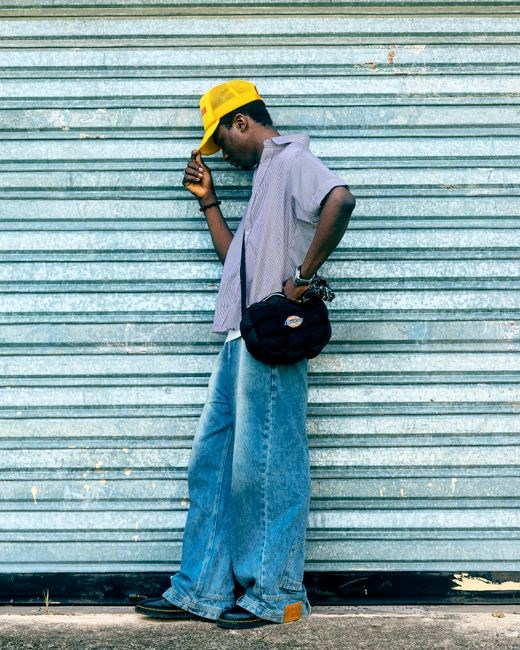
Measurement Methodology
Use a flexible tape measure held snug but not tight. Measure waist at the natural waistline, hips at the widest point, and inseam from the crotch seam to the ankle. Record in inches, double‑check, and compare to the Dickies chart for accuracy. Keep tape flat, avoid creases, double‑check accuracy.

3.1 Step-by-Step Tape Measure Instructions
Prepare the tape: Use a flexible cloth or nylon tape. Ensure it is clean and free of knots. Hold the end firmly at the starting point.
Waist: Position the tape at the natural waistline, the narrowest part of your torso. Keep the tape snug but not tight. Record the measurement in inches.
Hip: Measure around the widest part of your hips and buttocks. Place the tape at the top of the hipbone over the shirt, not over pants. Wrap the tape around the widest part of the upper thigh and front of the crotch; Keep it snug.
Inseam: Measure from the crotch seam to the ankle. Stand straight, with feet slightly apart. Hold the tape at the crotch seam, extend it down the leg to the ankle, and record the length.
Double‑check: Repeat each measurement twice to ensure consistency. Compare the results to the Dickies size chart to find your best fit.
Final Tips: Keep the tape level across the hips and waist to avoid skewed readings. Use a mirror to confirm symmetry. For a tighter fit, subtract 1 inch from the waist measurement; for a looser fit, add 1 inch. Store your measurements in a notebook for future reference. If you’re between sizes, choose the larger for comfort.
Adjusting for Workwear: If you’ll be wearing heavy work boots, add 2 inches to the inseam. For a slimmer look, consider a slim‑fit style. Always try on the overalls before finalizing the purchase; ….
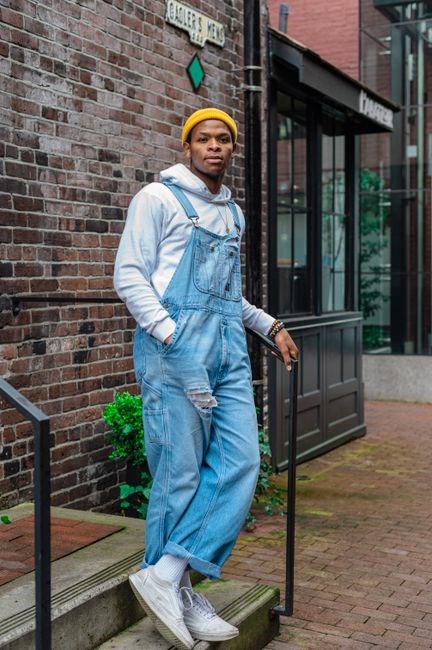
Men’s Dickies Overalls Size Chart
Men’s Dickies overalls follow a size chart: waist 28–42”, hip 32–46”, inseam 30–36”. Sizes 28–34 are regular, 36–40 tall. Match your waist, hip, and inseam to the chart. If between sizes, choose the larger for comfort. Overalls come in regular and tall lengths to fit all heights. Use chart to compare and choose best fit.
4.1 Regular and Tall Men’s Sizes
Men’s Dickies overalls are available in two main length categories: Regular and Tall. The Regular range covers waist sizes 28–34 inches, hip measurements 32–38 inches, and inseam lengths from 30 to 32 inches. These sizes are ideal for men whose torso length falls within the standard 5’8” to 6’0” height bracket. The Tall range extends the waist to 36–40 inches, hips to 40–46 inches, and inseam from 34 to 36 inches, accommodating taller frames up to 6’4”. When selecting a Regular size, ensure your waist measurement is within the specified range and that the inseam fits your leg length without excessive bunching or sagging. For Tall sizes, the longer inseam provides a better fit for longer legs, while the broader waist and hip allowances prevent the overall from feeling too tight. It’s crucial to compare both waist and hip measurements against the chart because overalls are designed to sit comfortably at the hips, not the waist. If your measurements fall between two sizes, choose the larger option to avoid a restrictive fit. Additionally, consider the intended use: work environments may demand a more relaxed fit for mobility, whereas a tighter fit may be preferred for fashion. Always use the official Dickies size chart to confirm the exact dimensions, as variations can occur between different product lines. By carefully matching your waist, hip, and inseam to the Regular or Tall categories, you can achieve a secure, comfortable, and functional fit that supports both daily tasks and style preferences.
For those who prefer a slightly looser fit, Dickies offers a “Regular Plus” option that adds a few inches to the waist and hip measurements, while maintaining the same inseam. This variant is particularly useful for individuals with broader hips or those who wear thicker undergarments. Conversely, the “Tall Plus” variant extends both waist and hip dimensions further, ensuring that even the tallest users can enjoy a comfortable, non‑restrictive overall. Remember that the inseam measurement is taken from the crotch seam to the bottom hem, so accurate tape placement is essential. A mis‑measured inseam can lead to an overall that is either too short, causing the front to ride up, or too long, resulting in a baggy look. Always double‑check your measurements by measuring twice and taking the higher value. With these guidelines, you can confidently choose the right Regular or Tall size that aligns with your body proportions and lifestyle needs.
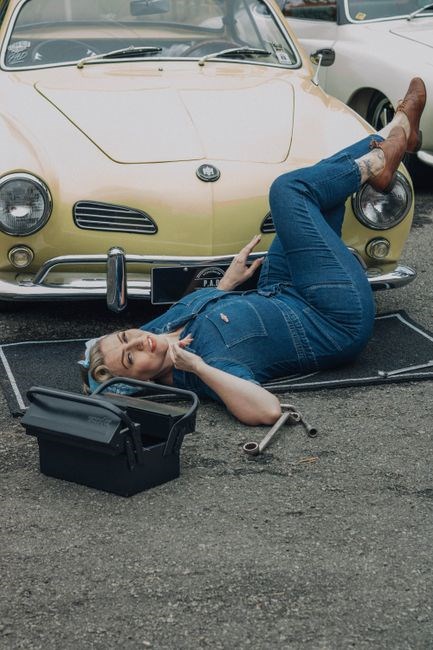
Women’s Dickies Overalls Size Chart
Dickies women’s overalls feature a size chart that matches waist, hip, and inseam measurements in inches. Sizes range from 2 to 12, with hip widths 28–38 inches and inseams 28–32 inches. Use the chart to match your exact waist and hip to ensure a snug, flattering fit. Ideal for work or casual wear, adding durability!!
5.1 Regular and Curvy Women’s Sizes
Dickies offers a distinct sizing system for women’s overalls that caters to both regular and curvy body types. The regular line is designed for waist measurements ranging from 24 to 32 inches, with hip widths of 34 to 44 inches and inseams between 28 and 32 inches. These sizes provide a classic, straight‑cut silhouette that fits comfortably around the hips and thighs while allowing ease of movement for work or casual wear. For curvy women, Dickies expands the range to accommodate larger hips and fuller busts. Curvy sizes start at waist measurements of 28 to 36 inches and hip widths of 38 to 48 inches, with inseams that remain consistent with the regular line. The fabric is slightly thicker in the curvy line to maintain shape and support, ensuring that the overalls do not sag or lose structure during prolonged use. Both lines use the same measurement guidelines: waist at the narrowest point, hips at the widest point, and inseam from the crotch seam to the bottom hem. When selecting a size, it is essential to compare your exact measurements to the chart and choose the smallest size that meets or exceeds each dimension. This approach guarantees a snug fit that respects the natural curves without compromising comfort or durability. Customers report that the reinforced gussets and adjustable straps add durability, making these overalls a dependable choice for any demanding environment. The breathable cotton blend also keeps you cool during long shifts. Enjoy! Thanks. Stay comfortable. Shop confidently. Thankyou.
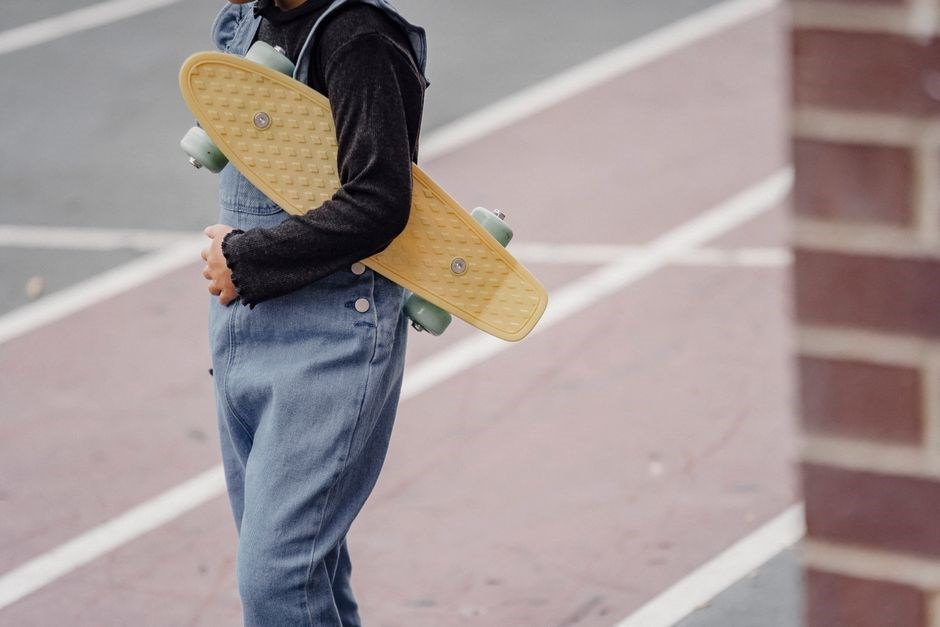
Kids and Special Fits
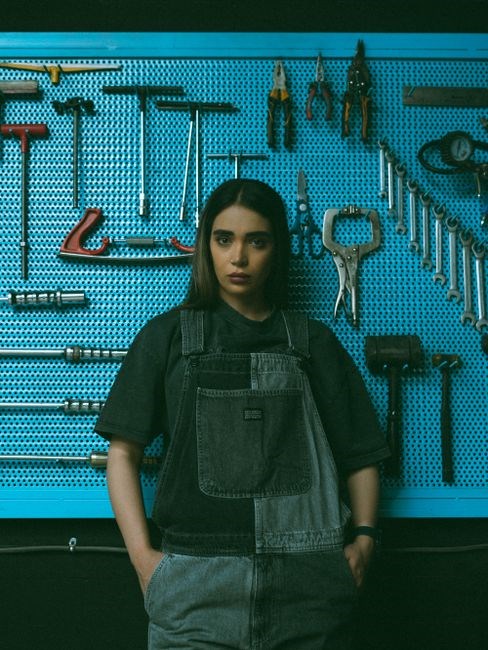
Dickies offers a range of kids’ overalls in sizes 0‑4, 4‑6, 6‑8, 8‑10, 10‑12, and 12‑14, with waist measurements from 18 to 24 inches and inseams from 20 to 28 inches. Plus options are available for children, ensuring a snug fit le comfort for play. and plus! Kids can choose straps for better !!. Add extra straps forcomfort!. andplus!! andplus. and plus!! andplus! and
6.1 Kids Sizes and Plus-Size Options
Dickies offers a comprehensive range of kids’ overalls from newborn to 14 years, with sizes 0‑4, 4‑6, 6‑8, 8‑10, 10‑12, and 12‑14. Waist measurements span 18–24 inches and inseam lengths 20–28 inches, designed to fit growing children comfortably. For children beyond the standard range, a plus‑size line extends the waist to 28 inches and inseam to 30 inches, ensuring larger kids receive the same durability and style as their peers. The plus‑size line keeps identical colors and patterns, so parents can shop confidently without sacrificing aesthetics. Adjustable straps and elastic waistbands provide a customizable fit, reducing the need for frequent resizing. Parents can consult the detailed online chart, enter waist and inseam, and receive a precise size recommendation, guaranteeing a snug, functional fit that supports active play while staying comfortable and stylish. The sizing chart also highlights key differences between standard and plus‑size lines, such as the additional 2‑inch waist allowance and extended inseam for taller kids. Fabric composition remains consistent across all sizes, featuring a cotton‑polyester blend that offers breathability, stretch, and easy maintenance. Care instructions are uniform: machine wash cold, tumble dry low, and avoid bleach to preserve color integrity. For online shoppers, the Dickies mobile app provides a virtual fitting tool that inputs height and weight, suggesting the most suitable size based on the latest data, thereby reducing uncertainty and enhancing the shopping experience. The company’s customer service team is available to answer sizing questions and provide personalized recommendations, ensuring every child’s needs are met with precision and care. With growing demand for eco‑friendly apparel, Dickies is exploring sustainable materials for future kids’ overalls, promising a greener option without compromising durability or fit.
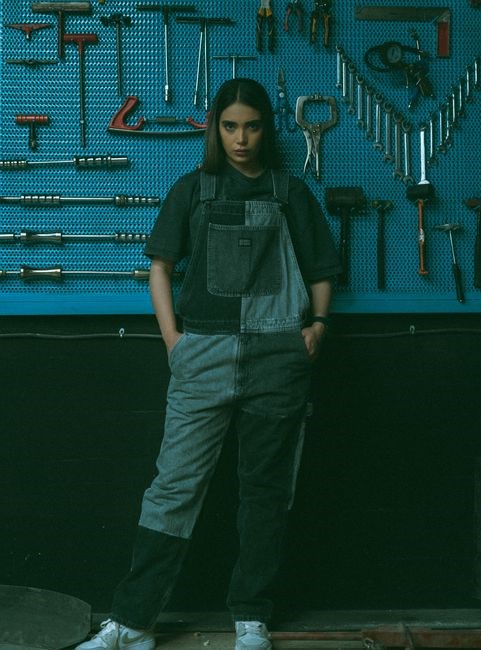
Shopping and Fit Confirmation
Use the Dickies Fit Hub to verify measurements. Compare waist, hip, inseam against the chart. Adjust online orders with size guides. If unsure, contact customer support for personalized advice. Return policy ensures hassle‑free exchanges. Shop with confidence, and enjoy free shipping on orders over $50. No returns.
7.1 Online Ordering Tips and Fit Adjustments
Before finalizing a Dickies overall purchase, double‑check your measurements against the official size chart. Use a flexible tape measure, wrap it snugly but not tight, and record waist, hip, and inseam in inches. If your waist falls between sizes, choose the larger number for a relaxed fit, especially for workwear that may be layered. For inseam, consider the length of your typical work pants; a 2‑inch difference can affect comfort.
When selecting a size online, read the product description for any notes on fit—some styles are labeled “regular,” “tall,” or “curvy.” If the description mentions a “slim” cut, add an extra half inch to your waist measurement. For women’s overalls, check if the hip measurement is included; if not, use the inseam to gauge overall length.
Utilize the “Fit Preview” feature on the Dickies website, which shows a visual comparison of your measurements to the chosen size. If the preview indicates a slight mismatch, opt for the next size up. Many retailers offer free returns within 30 days; keep the original packaging and tags to simplify the process.
Finally, after receiving your overalls, try them on with the exact clothing you’ll wear underneath. Adjust the straps and waist belt for a snug, ergonomic fit. If the overall feels too loose or tight, contact customer support for a size recommendation or exchange.
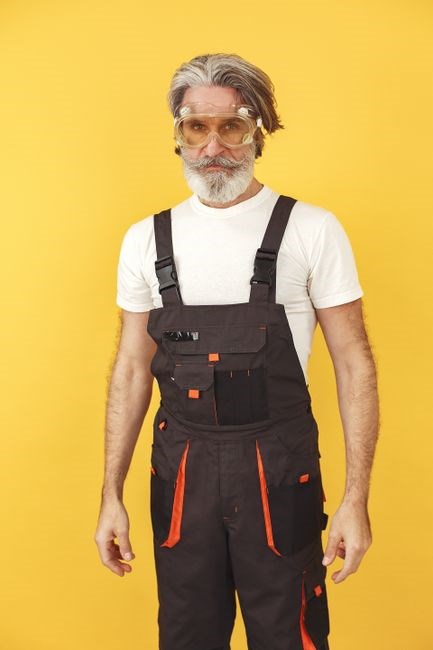
Remember, Dickies overalls are built for durability, so a slightly looser fit can accommodate tool belts and work gloves. If you’re between two sizes, choose the larger waist and the shorter inseam for a better overall balance. Enjoy your new gear!—stay safe all.